The Jadranska Magistrala: Croatia's Coastal Masterpiece
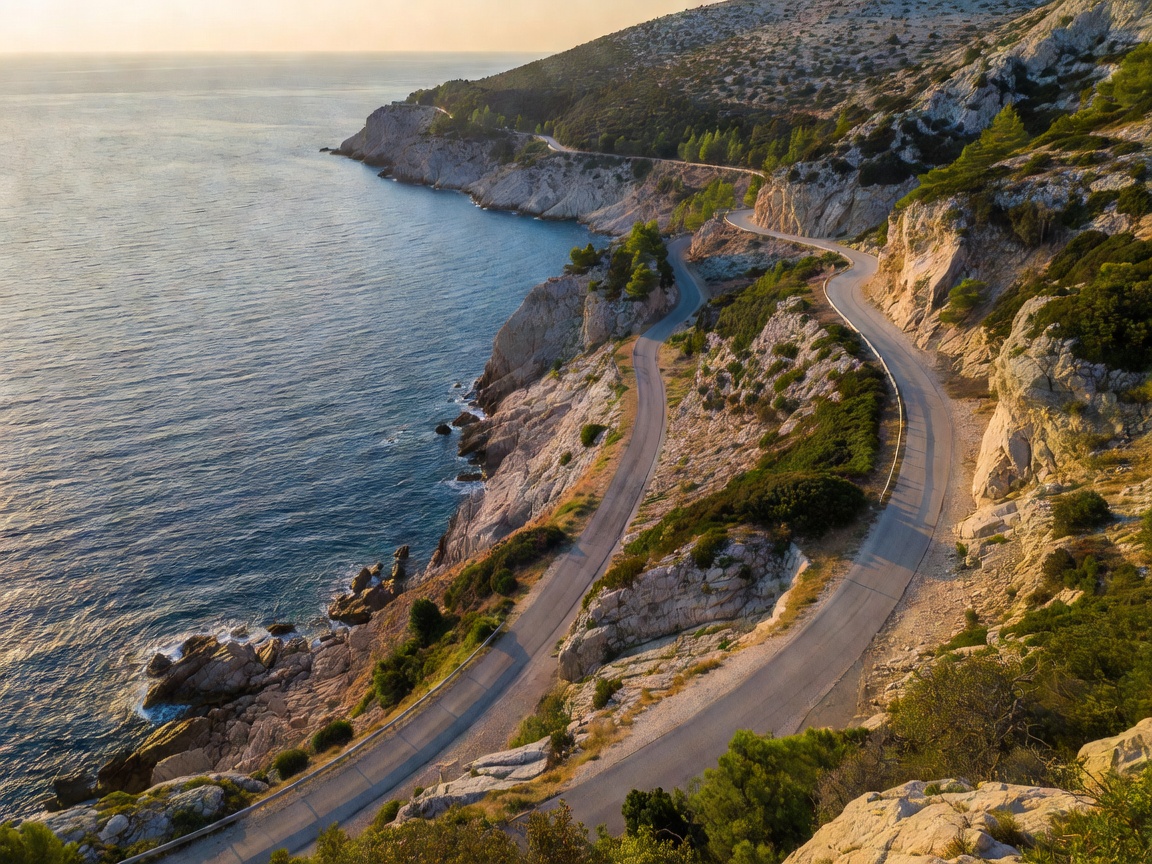
Known officially as State Road D8, but universally called the Jadranska Magistrala, this route runs down the eastern shore of the Adriatic Sea. For pure, uninterrupted coastal driving, it is arguably superior to its Italian and French counterparts. The road clings to the Dinaric Alps, dropping sharply into deep blue water dotted with thousands of islands.
The Route Architecture
Stretching from Rijeka in the north down to Dubrovnik in the south, the D8 is a two-lane highway. Unlike Spain's multi-lane coastal network, the Magistrala requires old-school driving skills. You will be stuck behind slow-moving camper vans, requiring decisive, safe overtaking maneuvers in designated passing zones.
Historically, driving south to Dubrovnik required crossing the Neum corridor—a 9-kilometer strip of coastline belonging to Bosnia and Herzegovina—which meant passport control delays twice in an hour. However, the completion of the monumental Pelješac Bridge has solved this. You can now bypass the border entirely, staying in Croatia (and the EU) by sweeping across the modern suspension bridge onto the Pelješac peninsula.
Pros & Cons
The Pros
- Continuous Views: The road rarely deviates from the sea.
- Island Hopping: Excellent Jadrolinija car ferry infrastructure allows you to break up the drive by visiting islands like Hvar, Brač, or Korčula.
- The New Bridge: The Pelješac Bridge has transformed the southern leg of the journey, making it faster and stress-free.
The Cons
- Bora Winds: Strong coastal winds (the bura) can suddenly strike, particularly in the northern sections, severely impacting vehicle stability.
- Single-Lane Frustration: Miles of solid white lines can leave you trapped behind heavy goods vehicles.
- Summer Heat on Tarmac: High season means heavy traffic and high temperatures.
Essential Driving Tips
Croatian drivers are generally assertive but competent. Do not be intimidated if they follow closely; they are usually waiting for a clear passing opportunity. If you are holding up a line of traffic in a rental car, it is courteous (and safer) to use a lay-by to let them pass.
Headlights must be turned on during daylight hours in the winter months (and it's good practice year-round). When planning ferry crossings, arrive at the port at least an hour early during July and August, as vehicle slots sell out rapidly on popular routes.