Costa Brava to Costa Blanca: The Iberian Grand Tour
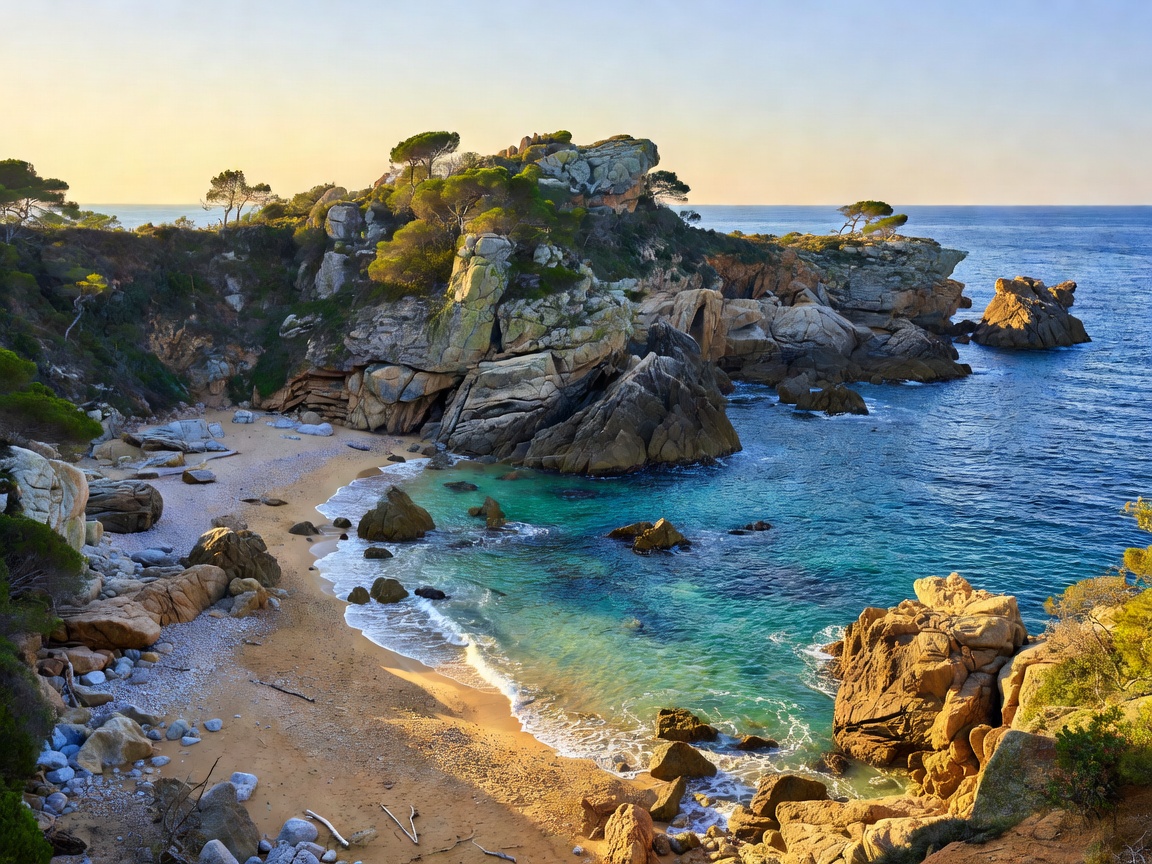
Unlike the white-knuckle switchbacks of Italy or France, Spain's eastern coastline offers a sprawling, high-speed, and deeply varied road trip. Covering approximately 600 kilometers from the French border down past Valencia to Alicante, this route transitions from jagged, pine-covered cliffs to vast plains of orange groves.
The Route Architecture
The primary artery for this journey is the AP-7 (Autopista del Mediterráneo). Historically, this was a heavily tolled highway, which pushed budget-conscious drivers onto the slower, more congested N-332 coastal road. However, significant stretches of the AP-7 have recently become toll-free. This fundamentally changes the strategy for driving the Spanish coast.
You can now use the high-speed AP-7 to crush boring distances rapidly, exiting onto local roads specifically to explore interesting coastal enclaves like Cadaqués, Tossa de Mar, or Sitges.
Pros & Cons
The Pros
- Exceptional Infrastructure: Spanish Autovías and Autopistas are among the best maintained in Europe.
- Diverse Scenery: The ruggedness of Catalonia gives way to the wetlands of the Ebro Delta and the sandy expanses of Valencia.
- Lower Stress: Wider lanes, clear signage, and a general lack of sheer cliff edges make this a relaxing drive.
The Cons
- Extreme Heat: In July and August, the ambient temperature can test both driver endurance and vehicle cooling systems.
- Urban Sprawl: The approach to Barcelona and Valencia can suffer from severe commuter gridlock.
- Distance: It requires multiple days to do this properly; attempting to rush it leads to highway fatigue.
Essential Driving Tips
Spain enforces strict speed limits (generally 120 km/h on Autopistas). Unlike some European neighbors, radar enforcement is frequent, and fines are heavy. Additionally, police frequently conduct random breathalyzer tests, especially near tourist towns; the limit is lower than in the UK or US (0.5mg/ml), so abstaining entirely is the only safe approach.
When renting a car, almost any vehicle class works well here. You do not need a micro-car, though an SUV might still be tight when parking in the older historic quarters of coastal villages.